


For a long time, I thought good decision-making was primarily an intellectual exercise. Clarify the objective. Ask good questions. Gather information. Identify options. Weigh the pros and cons.
That sounds reasonable. It’s a good start. And it’s woefully insufficient.
I am an emotional, spiritual man. When I am emotionally off-kilter or disconnected from my soul, my decisions almost always end poorly—no matter how rational they appear on paper.
Early in my career, I wanted to be “successful.” I defined success intellectually as being in a prestigious, high-income profession. Becoming a high-powered lawyer fit that definition perfectly. I worked incredibly hard, graduated from a top law school, landed my dream job, and excelled. I was miserable. Twenty-two months later, I quit.
I’m an entrepreneur at heart; big law firms are not entrepreneurial. Being a lawyer didn’t mesh with my heart.
Over time, and with the guidance of a therapist, I learned to factor feelings into my decision-making. He taught me that connecting with my feelings was a good way to figure out what I really wanted. While I once considered feelings to be a nuisance and something to overcome, I came to recognize them as a source of wisdom.
Now I know that my best decisions happen when I am calm, centered, and connected. Here’s what that means.
Calm
When I am agitated, I make poor decisions. The more agitated I am, the worse my decisions become. My fears crowd out perspective. I focus on short-term relief rather than long-term wisdom.
I get worked up easily. I come from an anxious family. I live in a world saturated with catastrophic, fear-inducing messages. Health scares, political crisis, and interpersonal conflict are part of everyday life.
Now that I’ve developed more awareness of what I’m feeling, I’ve learned it’s far better for me to build the capacity to stay calm than to try to calm myself down once I’m already upset. Better—but not easy.
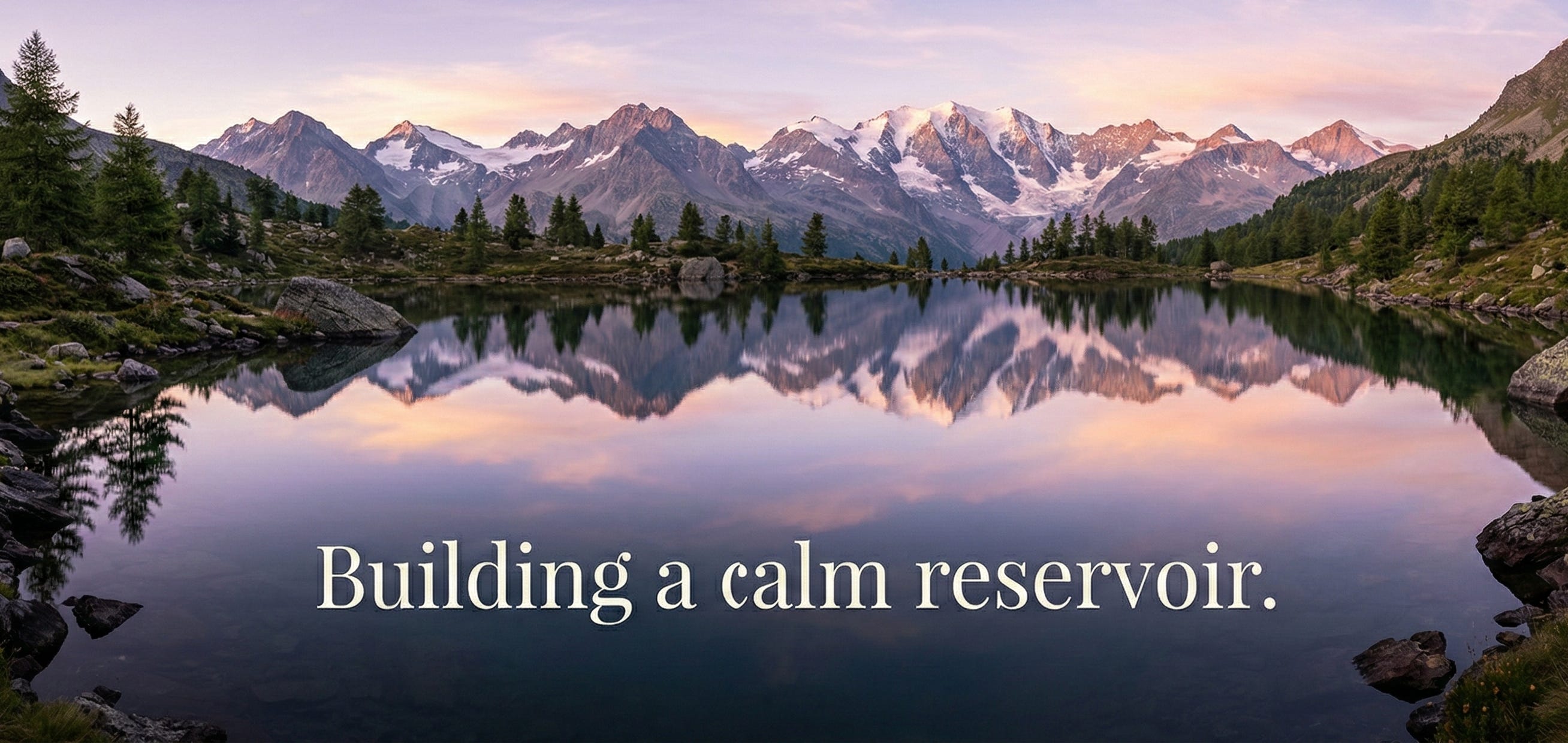
I’m slowly building what I think of as a calm reservoir.
How I do it:
Limit exposure. Minimize time with people and content that push my buttons or spark my fears—especially around things I can’t control.
Care for my body. Regular exercise, decent nutrition, and good sleep improve how I think and feel.
Nurture my my soul. Silence, nature, and content that feed my spirit calm me in ways nothing else does—especially when these practices are built into my routine.
Community. When I’m immersed in a community of kind people with shared values, my nervous system relaxes and my heart opens.
Centered
I have a limited amount of time, attention, and money.
Every time I say yes, it’s also a no to something else, often at the expense of my peace of mind. When I feel hurried and scattered, I make decisions I regret. I end the day depleted.
When I am centered, my decisions align with who I am and what matters most. I end the day peaceful and confident. The difference is striking.
To move from scattered to centered, I slow down. I pause. I breathe. I notice what’s happening in my body. I remind myself what matters most to me. I ask myself a simple question: What do I actually want to do?
I resist the urge to decide immediately. I need time—to process, to listen, to hear my inner voice. I’m learning to give myself that gift.
Connected
I am neither separate nor alone.
My life is a web of connections—to my wife, my family, my friends, and my community. In moments of awe, I feel connected to all living things, to the universe, to God.
When I feel connected, my perspective widens. I stop asking, What’s best for me right now? and start asking, What’s best for me as part of something larger?
I see myself as a steward of both my financial and intrinsic wealth. The crisis du jour loses its grip. My sense of time lengthens. I loosen my hold on what I have, and my kindness, compassion, and generosity grow.
Even in the best circumstances, making good life decisions is hard. It’s far harder in a fear-inducing, money-centric, and deeply divisive culture.
Staying calm under stress, recognizing the role that feelings play in decision-making, remaining centered on what matters, and staying connected to others takes consistent, mindful effort.
What’s the reward for that effort?
A more meaningful and joyful life.
Until our next conversation,
David
Small Steps & Worthy Questions
Before responding to a request or making a decision, give yourself permission to pause. Have you given consideration to your feelings?
What helps you feel calm, centered, and connected—and why do you often neglect it?
Limit exposure to one person, habit, or stream of content that disrupts your calm.
Consider what decisions in life you may be making from fear rather than from clarity.
Choose a small, repeatable practice that helps you return to calm—walking, silence, prayer, movement—and treat it as essential.
If you love this, share it with your friends, foes, and even perfect strangers. Let’s change the way America thinks about money.
LinkedIn | Facebook | Instagram | X / Twitter | Bluesky
You have an extraordinary capacity to take readers through your life experiences and offer wisdom for their own journeys. Thank you for sharing your heart so openly; I truly admire the strength found within your vulnerability.
Thankfully, we can draw on both the intellectual and the emotional aspects of who we are. Rarely works out well to disregard either. Your post offers really practical advice for whole-person living.